
CELEBRITY
HAPPENING NOW: 🇮🇳🇷🇺 India who decided to support Israel and the US instead of it’s BRICS partners was buying cheap discounted oil from Russia.

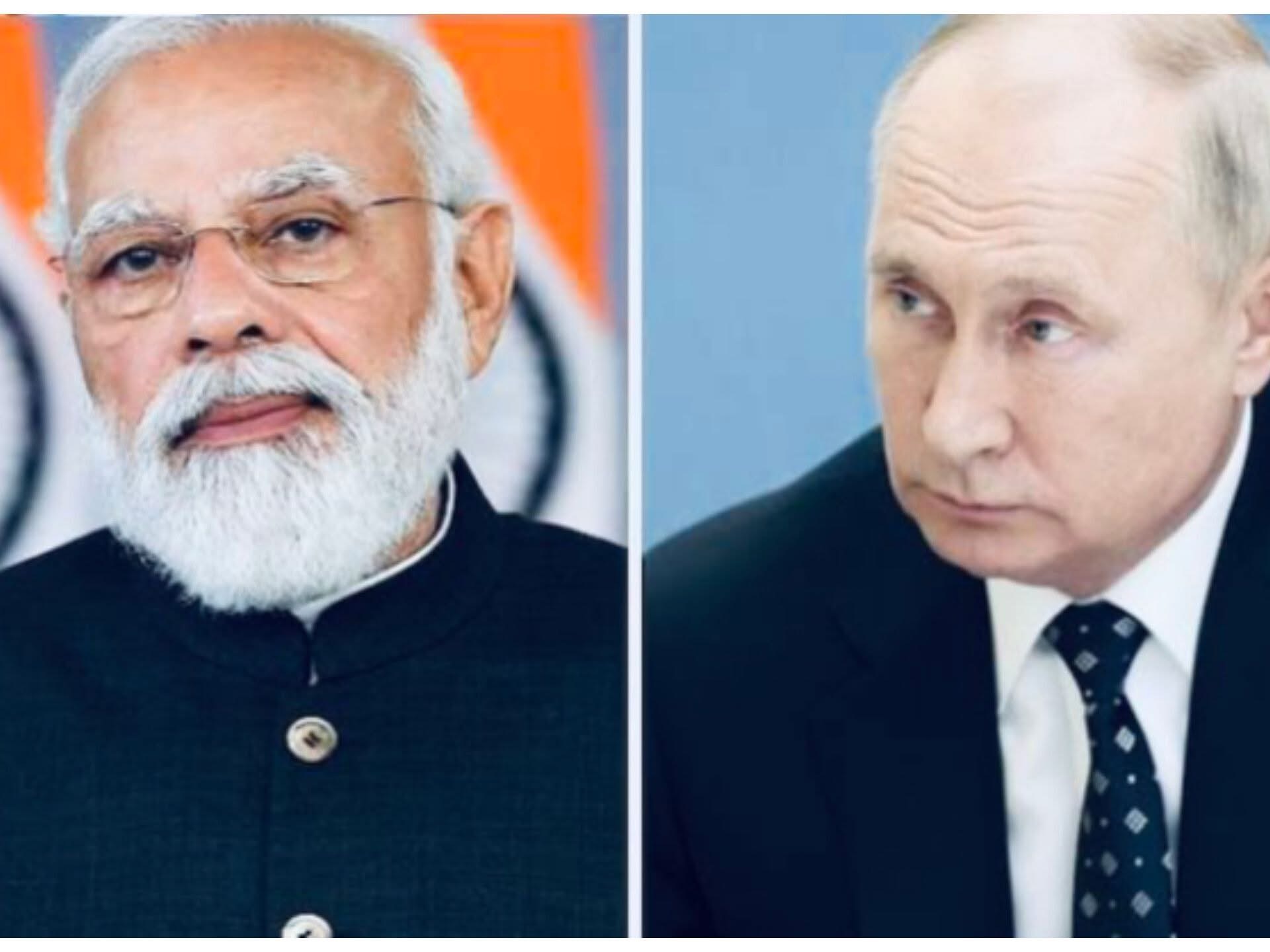
🇮🇳🇷🇺 India who decided to support Israel and the US instead of it’s BRICS partners was buying cheap discounted oil from Russia.
Then US stepped in and ordered India to stop buying Russian oil and buy from others like Venezuela instead.
Modi kneeled and agreed and then began reducing its purchases of Russian oil.
After the war and global oil crisis, America gave India “permission” to buy Russian oil again for 30 days.
India then went back to Russia to buy oil.
Russia replied, we’ll sell oil, but now at higher prices and with no discounts like before.
The story circulating online is **partly true but heavily simplified and misleading**. The real situation involving **India, Russia, and the United States** is more complex. Here is the **full timeline and what actually happened.**
—
# 1. 2022: Ukraine war changes the oil market
In **2022**, after Russia launched the **Russian invasion of Ukraine**, Western countries imposed sanctions on Russian energy.
* Europe stopped buying much of Russia’s oil.
* Russia suddenly had **millions of barrels it needed new buyers for**.
To keep selling, Russia offered **large discounts** to countries willing to buy.
Two of the biggest buyers became:
* India
* China
India’s imports of Russian oil jumped from **almost zero before the war to over 30–36% of its oil imports**. ([The Economic Times][1])
Russia sometimes sold crude **$10–$30 per barrel cheaper than global prices**. ([The New Indian Express][2])
**Why India bought it**
* India imports **over 85% of its oil**
* Cheap oil helped reduce costs for its refineries.
—
# 2. The US and allies tried to limit Russia’s oil income
The US and its allies wanted to **reduce Russia’s revenue** because oil sales fund the Russian government and military.
They used several methods:
1. **Sanctions on Russian energy companies**
2. **Shipping and insurance restrictions**
3. **Pressure on countries buying Russian oil**
4. **Price caps on Russian crude**
However:
⚠️ **Buying Russian oil itself was not illegal for India.**
India argued it was acting in **its national interest and energy security**.
—
# 3. US pressure and tariffs on India (2024–2025)
Tensions increased when Washington tried to push India to reduce purchases.
Measures included:
* Threats of **sanctions**
* **Tariffs on Indian goods**
* diplomatic pressure to buy oil from other suppliers
Some **Indian state-owned refineries temporarily reduced purchases** due to political pressure and shrinking discounts.
But India **never completely stopped buying Russian oil**.
Private refiners in India **continued buying large amounts** because it was still cheaper.
—
# 4. Russian discounts gradually shrank
Over time the situation changed.
Reasons:
* Shipping risks increased
* Insurance costs rose
* Russian supply tightened
* Global prices stabilized
So the discount fell from **$10–$30 per barrel to only about $2–$4**.
This meant the deal became **less attractive for India**, which naturally started buying more oil from:
* Iraq
* Saudi Arabia
* UAE
* the US.
This shift was **economic**, not just political.
—
# 5. 2026: New crisis in the Middle East
Recently another factor entered the picture.
A conflict involving **Iran, Israel and the US** disrupted oil routes, especially near the **Strait of Hormuz**.
Because many tankers were stuck and prices were rising, the US issued a **temporary 30-day waiver** allowing India to import certain Russian oil shipments already at sea.
The goal was to:
* keep global oil supply flowing
* prevent prices from exploding.
—
# 6. Did Russia refuse discounts after India returned?
Not exactly in the dramatic way social media describes.
What actually happened:
* Discounts had already **become smaller over time**
* Russia sells oil based on **market conditions**
* When demand rises or supply tightens, **discounts shrink or disappear**
So if India buys now, it may pay **closer to normal global prices**, not the huge wartime discounts.
This is mainly **economics**, not retaliation.
—
# 7. The key reality
The narrative that:
> “India betrayed BRICS, obeyed the US, then Russia punished India with higher prices”
is **oversimplified propaganda**.
The real situation is:
* India balanced relations with **Russia and the US simultaneously**
* India kept buying Russian oil even under pressure
* Russia gave discounts when it needed buyers
* Discounts faded as the market changed.
—
✅ **Bottom line:**
India did not need “permission” from the US to buy Russian oil, and Russia did not suddenly punish India. The changes mostly reflect **geopolitics + global warming

SEAT SECURED: Trump-backed Republican Clay Fuller won the special election for Georgia’s 14th District, defeating Democrat Shawn Harris to fill the seat vacated by Marjorie Taylor Greene, who quit Congress after a public falling out with Trump.

GOAL: REMOVAL! Democrats confirm they will move to impeach Donald Trump and his regime if they win in 2026. CNN puts Democratic winning odds at a massive 85%. Raise your hand if you want Donald Trump impeached IMMEDIATELY!

BREAKING: Donald Trump in Emergency Briefing as Iran Allegedly Downs U.S. Jets — Newlywed Pilot Captain Ethan Walker Reported Dead Weeks After Wedding”

HAPPENING LIVE: North Korean leader Kim Jong Un has reignited a fierce war of words with the White House, issuing a personal and highly provocative critique of President Donald Trump’s mental fitness.

WARNING AMERICA! Iran is Threatening Assassination on Trump. This is scary. IRAN IS THREATENING ASSASSINATION ON TRUMP

UPDATE: Israel’s National Security Minister Itamar Ben-Gvir has sharply criticized international human rights organizations, accusing them of abandoning neutrality during the ongoing regional conflict. In a strongly worded statement, he questioned why global institutions appear, in his view, to be largely silent about the impact of the war on Israeli civilians.

HAPPENING NOW: 🇮🇳🇷🇺 India who decided to support Israel and the US instead of it’s BRICS partners was buying cheap discounted oil from Russia.

BREAKING NEWS: The ‘Israeli’ military on Friday accused Iran of using missiles equipped with cluster warheads in its strikes on ‘Israel’, launched in response to an ongoing military campaign by ‘Israel’ and the United States against the Islamic Republic since Feb 28

Kim Jong Un Issues Stark Warning: Harm North Koreans in Iran and Pyongyang Joins the War” 🚨

BREAKING NEWS: The remarks signal that the Trump administration may seek influence over Iran’s political transition following recent military operations.

Pentagon Bombshell: Defence Secretary Pete Hegseth Claims Iran Attempted to Assassinate Donald Trump, Vows Brutal US Response
