
NEWS
**“TEHRAN TURNS THE PAGE: Secret Files Reveal Regime’s ‘Morality Patrol’ Rebranded as Hair Police as Jubilant Crowds Declare ‘No More Forced Silence’ — While U.S. Commentators Scramble to Rewrite Their Talking Points”**

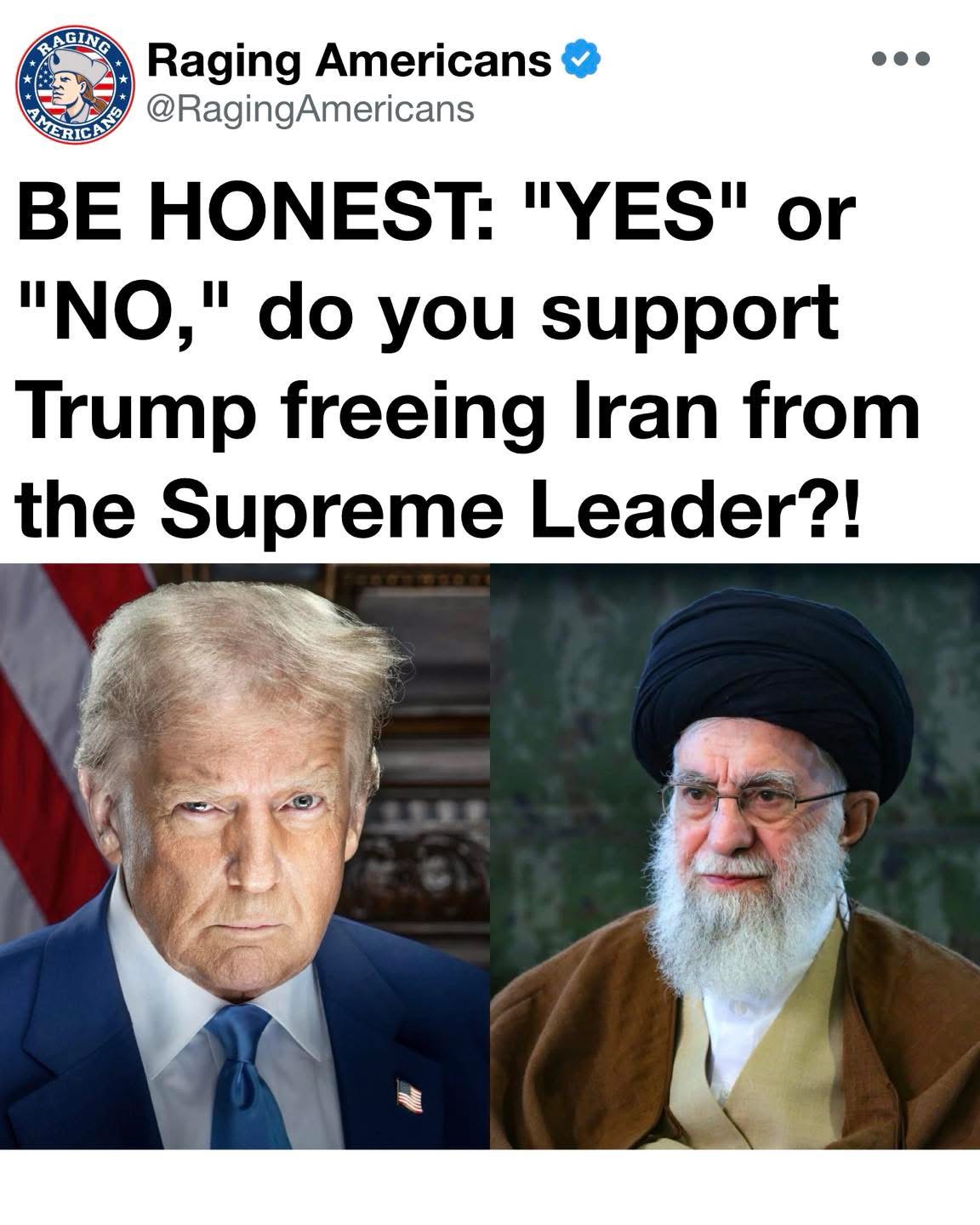
What drives a lot of people crazy is the sense that some Americans seem unable to admit what the Iranian regime actually was. For decades, Iranians lived under a system that jailed dissidents, enforced mandatory hijab with violence, crushed protests, and funded militant groups abroad. So when you see Iranians celebrating the end of that era, it feels raw and real. And then to watch commentators in the U.S. immediately shift the focus away from the regime’s victims — that’s what sparks the anger.
The sharpest frustration comes from the contrast. You can’t loudly champion women’s rights and bodily autonomy in one breath, then sound indifferent when women elsewhere were beaten or imprisoned for showing their hair. That disconnect hits people hard. To them, it feels like principles are being applied selectively — fierce when it’s politically convenient, fuzzy when it complicates the narrative.
At the end of the day, though, this isn’t about scoring points in an American culture war. It’s about the Iranian people who took enormous risks to stand up to power. The women who burned hijabs. The protesters who faced prison or worse. When a regime like that falls and people dare to hope, many believe the right response isn’t hesitation or moral gymnastics — it’s to stand with those celebrating their shot at freedom.
What drives a lot of people crazy is the sense that some Americans seem unable to admit what the Iranian regime actually was. For decades, Iranians lived under a system that jailed dissidents, enforced mandatory hijab with violence, crushed protests, and funded militant groups abroad. So when you see Iranians celebrating the end of that era, it feels raw and real. And then to watch commentators in the U.S. immediately shift the focus away from the regime’s victims — that’s what sparks the anger.
The sharpest frustration comes from the contrast. You can’t loudly champion women’s rights and bodily autonomy in one breath, then sound indifferent when women elsewhere were beaten or imprisoned for showing their hair. That disconnect hits people hard. To them, it feels like principles are being applied selectively — fierce when it’s politically convenient, fuzzy when it complicates the narrative.
At the end of the day, though, this isn’t about scoring points in an American culture war. It’s about the Iranian people who took enormous risks to stand up to power. The women who burned hijabs. The protesters who faced prison or worse. When a regime like that falls and people dare to hope, many believe the right response isn’t hesitation or moral gymnastics — it’s to stand with those celebrating their shot at freedom.

HAPPENING LIVE: North Korean leader Kim Jong Un has reignited a fierce war of words with the White House, issuing a personal and highly provocative critique of President Donald Trump’s mental fitness.

WARNING AMERICA! Iran is Threatening Assassination on Trump. This is scary. IRAN IS THREATENING ASSASSINATION ON TRUMP

UPDATE: Israel’s National Security Minister Itamar Ben-Gvir has sharply criticized international human rights organizations, accusing them of abandoning neutrality during the ongoing regional conflict. In a strongly worded statement, he questioned why global institutions appear, in his view, to be largely silent about the impact of the war on Israeli civilians.

HAPPENING NOW: 🇮🇳🇷🇺 India who decided to support Israel and the US instead of it’s BRICS partners was buying cheap discounted oil from Russia.

BREAKING NEWS: The ‘Israeli’ military on Friday accused Iran of using missiles equipped with cluster warheads in its strikes on ‘Israel’, launched in response to an ongoing military campaign by ‘Israel’ and the United States against the Islamic Republic since Feb 28

Kim Jong Un Issues Stark Warning: Harm North Koreans in Iran and Pyongyang Joins the War” 🚨

BREAKING NEWS: The remarks signal that the Trump administration may seek influence over Iran’s political transition following recent military operations.

Pentagon Bombshell: Defence Secretary Pete Hegseth Claims Iran Attempted to Assassinate Donald Trump, Vows Brutal US Response

BREAKING NEWS: ‘Iran is run by religious fanatics’…. U.S. commanders across more than 30 military bases told troops the Iran war is part of “God’s plan” and linked it to “Armageddon.”

BREAKING: Trump Urges Iran’s Military to Lay Down Arms — “Accept Immunity Now or Face Certain Death”

Happening now: You keep hearing that Russia and China are “10 feet tall.” That their missiles are unstoppable. Their air defenses are impenetrable. Their tech is years ahead. Cool story.
